

Racing Shock Oil Leak: Causes, What to Inspect, and When to Rebuild

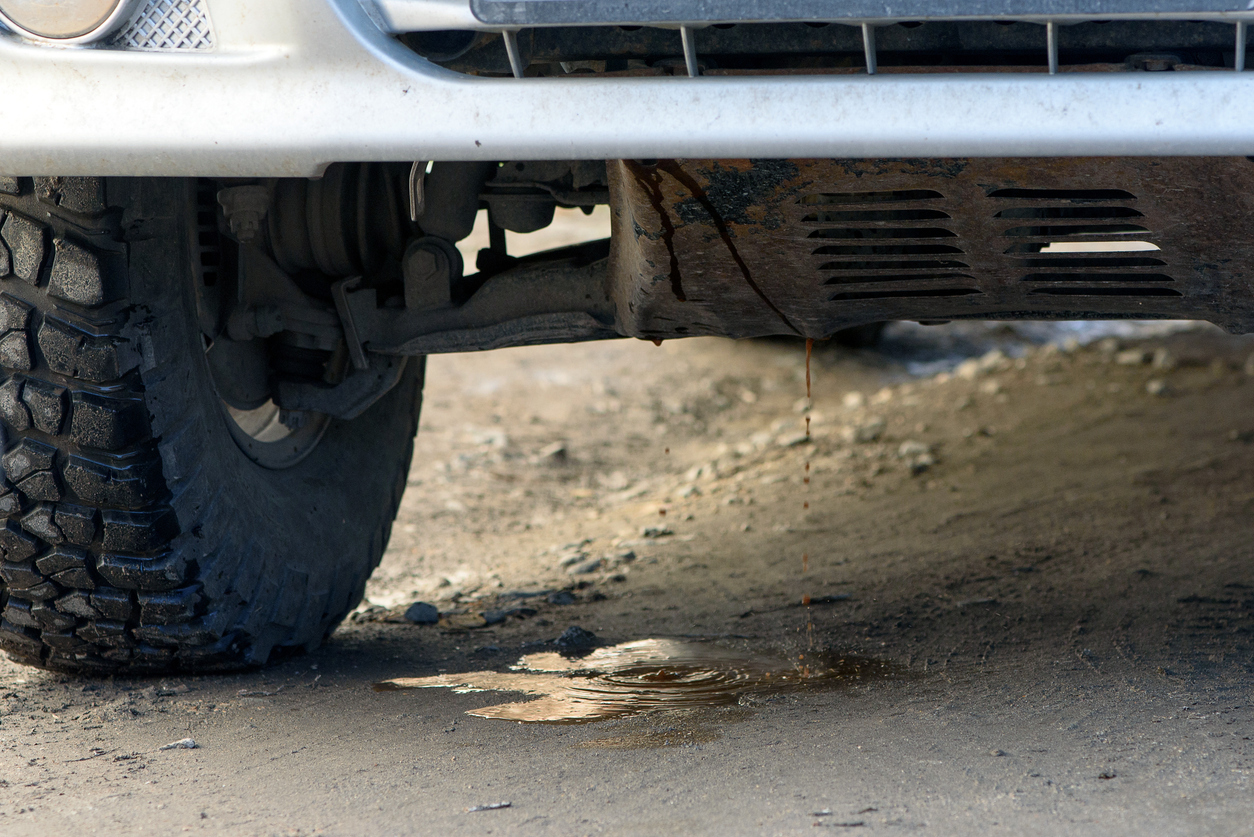
Finding oil on a racing shock gets your attention. The first question is usually whether it can still be raced or whether it's something that just needs to be watched.
Not every trace of oil means the shock is done, but it isn't something to ignore either. Sometimes it's residual oil from recent service or minor seal seepage. Other times it's normal wear, contamination, or damage that's reached the point where maintenance is due. The difference usually comes down to how much oil is present, how quickly it returns after cleaning, and whether the damping still feels consistent when the shock is cycled.
The first and most useful clue is where the oil is showing up. Leak location usually points to what part of the shock needs attention and how urgent the situation really is.
Where Racing Shock Oil Leaks Come From (And What Each Location Means)
Where the oil shows up usually gives the first real indication of what's going on.
One common place you'll see it is at the shaft seal, where the shaft enters the shock body. A light film or small ring of oil here isn't always unusual, especially after recent service or with some time on fresh seals. What matters is whether the oil returns after cleaning and cycling the shock.
If the shaft stays wet or oil reappears quickly, that usually points to seal wear or shaft damage. At that point it becomes less a question of if service is needed and more a question of when.
If oil has worked into the bump stop or collected dirt along the lower shaft, the leak has probably been active for some time. Oil attracts debris, and contamination in that area can accelerate seal wear.
Reservoir leaks are less common but worth attention. Oil around a remote canister or fittings can indicate impact damage, loose fittings, or sealing issues that may also affect internal pressure.
Oil on the shock body itself often points to external damage or something that allowed oil to escape outside normal sealing areas. This can come from debris strikes, contact, or handling damage.
It's also worth confirming what you're seeing is actually shock oil. Residual oil, grease, or track spray can sometimes look worse than it is until everything is cleaned and checked again.
Once you know where the oil is coming from, the next step is confirming whether it's active and whether the shock is still doing its job.
How to Inspect a Leaking Shock
Once you've identified where the oil is coming from, a basic inspection usually tells you whether you're looking at a minor issue or something that needs service. None of this requires disassembly.
Start by wiping the shock completely clean. Remove any oil, dirt, or debris from the shaft, seal area, and body. Then cycle the suspension or compress the shock by hand. If oil quickly reappears, you're dealing with an active leak. If it stays clean, it may have been residual oil or an older seep that isn't progressing.
Next, check the shaft condition. Run a fingernail lightly along the surface and feel for score marks, pitting, or rough spots. Even small imperfections can shorten seal life because the seal passes over that surface every time the shock cycles.
Look at the seal head area as well. Dirt buildup there can indicate contamination working toward the sealing surface. If debris is packed in, the shock has probably been running in dirty conditions and may need attention sooner.
The bump stop also tells part of the story. Dry usually means recent. Saturated with oil and dirt usually means the leak has been active longer.
Finally, pay attention to how the shock feels. If it still feels smooth and controlled, damping is likely functioning. If it feels inconsistent, overly soft, or lacks resistance, the issue may extend beyond a seal leak.
There's a simple test to verify whether a leak will actually affect performance. Remove the spring if equipped, then fully compress the shock by hand. The shock should extend fully and come to a solid stop. If it extends initially but then slows or doesn't reach full extension, enough oil has leaked out that the shock is no longer under pressure. At that point the shock needs a rebuild immediately. Without enough oil and operating pressure, you're dealing with cavitation, reduced rod force, and a number of issues that lead to mishandling.
At this point you're really answering three things: whether this is new or ongoing, whether damage is visible, and whether the shock still controls motion properly.
Can You Race on a Leaking Shock?
The answer depends on how much oil is coming out, whether damping still feels consistent, and what kind of racing you're asking it to do.
Light seepage with consistent damping may still be usable for a session or weekend. That doesn't mean service isn't needed, just that it may still function well enough for a session or weekend.
If oil is actively running down the shaft or returning quickly after cleaning, damping consistency is already changing. As oil volume drops, the shock loses its ability to control motion consistently. That usually shows up as handling that feels different each time rather than one obvious failure.
If the shock feels soft, inconsistent, or has noticeably less resistance, the issue has likely moved beyond a minor leak. Continued use usually just accelerates wear.
Track demands also matter. Smooth tracks with short sessions place less stress on a marginal shock than rough surfaces or long runs where consistency becomes more critical.
What usually happens when a leaking shock keeps running is gradual loss of consistency. As oil level drops and internal pressure changes, setup decisions become harder because you're tuning around a moving target.
Most racers already know the real question isn't whether it can be raced, but whether it's worth risking performance to do it.
If there's doubt about consistency, service it. If the leak is minor and performance still feels stable, short-term use may be manageable. The key is being realistic about what you're seeing.
What Causes Racing Shock Oil Leaks (And How to Prevent Them)
Most shock leaks aren't random failures. They're usually the result of wear, heat cycles, contamination, or accumulated damage.
Heat is one of the biggest contributors. Every session puts the shock through temperature cycles as oil moves through damping circuits and friction builds inside. Over time this affects both the oil and seals. As oil breaks down and seals age, sealing performance drops. Degraded oil loses its protective properties, which accelerates seal wear.
Shaft condition is another common factor. The seal depends on a smooth shaft surface every time the shock cycles. Small score marks, pitting, or corrosion from debris or minor impacts can shorten seal life.
Contamination is another major contributor. Dirt and debris can work toward the seal during normal use, especially in dirty conditions. Once contamination reaches the sealing area it acts like a fine abrasive. Cleaning shocks after dirty race weekends makes a real difference in service life.
Time and runtime also matter. Seals are wear components like brake pads. Service intervals exist for a reason and even without visible damage, repeated cycles eventually take their toll.
Transport also contributes. Shocks remain under load when the car is strapped down. Limited movement during transport still cycles seals and adds to overall wear.
Installation and handling can create delayed problems. Small shaft nicks, damaged threads, or over-tightened fittings may not show issues immediately but can lead to leaks later.
Impacts matter as well. Off-track excursions or debris strikes can affect internal or external components even when damage isn't obvious.
Most leaks come from some combination of these factors. Understanding the cause helps prevent the next one.

When to Rebuild a Leaking Shock vs. Keep Racing
Eventually the question becomes whether to rebuild now or try to extend service life.
Active leaks usually make that decision straightforward. If oil is dripping, damping feels inconsistent, or shaft damage is visible, service usually makes more sense than continuing to run it.
Service also makes sense if the leak appears near a normal maintenance interval. Often a seal leak simply means the shock has reached the end of its service cycle.
Minor seepage with consistent damping and no visible damage may be manageable until scheduled service. That doesn't remove the need for a rebuild, it just gives some flexibility on timing.
Most racers are weighing known cost versus unknown performance. Rebuilding now gives predictable results. Extending service introduces variables as oil loss changes damping behavior. Delaying maintenance often creates bigger problems than the original issue.
Running too long after a leak develops can also lead to additional wear that turns routine service into a more involved repair.
A proper rebuild addresses more than the seal. It typically includes inspection, fresh oil, new seals, and verification of performance. The goal is restoring consistency, not just stopping the leak.
The real decision usually comes down to how much uncertainty a team accepts. If consistency matters, service is usually the safer choice.
Racing This Weekend With a Leaking Shock: What to Do
Sometimes the decision isn't theoretical. The race is coming up and the question is what can realistically be done.
If the leak is minor and damping feels consistent, the practical move is to clean it, inspect the shaft, and monitor it between sessions. Watch whether oil returns and whether handling changes. Having a spare is always safer if available.
If the leak is active or the shock already feels inconsistent, continuing to run it usually just turns a manageable problem into a bigger one.
Quick fixes rarely help. Adding oil won't fix a seal issue. Adding nitrogen won't restore consistency. Ignoring it doesn't improve anything.
The most important factor is honesty about what the car is telling you. If handling becomes unpredictable, the shock is no longer working consistently.
Preventing Shock Oil Leaks
Most leaks are easier to prevent than deal with at the track.
Regular service is the biggest factor. Shocks are wear components and seals don't last forever. Staying within service intervals keeps oil fresh and seals healthy. Annual service is recommended under normal conditions, with runtime intervals around 50 hours depending on racing type.
Keeping shocks clean also helps. Dirt left on the shaft can eventually reach the seal. Cleaning after dirty events reduces contamination. When sending shocks in for service, clean them thoroughly beforehand.
Careful handling during installation matters. Shaft damage, thread damage, or over-tightening can create problems that appear later.
Inspect shocks after off-track excursions or contact even if nothing looks damaged. Impacts can shorten service life without obvious signs.
Tracking runtime also helps. Most leaks appear after predictable use. Staying ahead of service keeps maintenance routine instead of reactive.
Teams that treat shocks like other wear components tend to see fewer surprises. Regular inspection, cleaning, and service prevent most leaks before they start.
When Service Makes Sense
Oil leaks usually tell you what you need to know. Location, amount, and how quickly it returns usually make the decision clear.
If damping still feels consistent and the leak is minor, you might get through a session or weekend. If consistency changes or the leak is active, service usually makes more sense than guessing.
Building a repeatable suspension process starts with equipment you can trust. When the answer isn't clear, talking with a shock technician is usually the fastest way to get a real answer. Call (610) 375-6180 or submit a service request.
If you're looking for setup support that goes beyond fixing problems, Penske's S3 program provides the backing to optimize performance from the start.