

Single vs Double Adjustable Shocks: Here's How to Actually Know Which One You Need

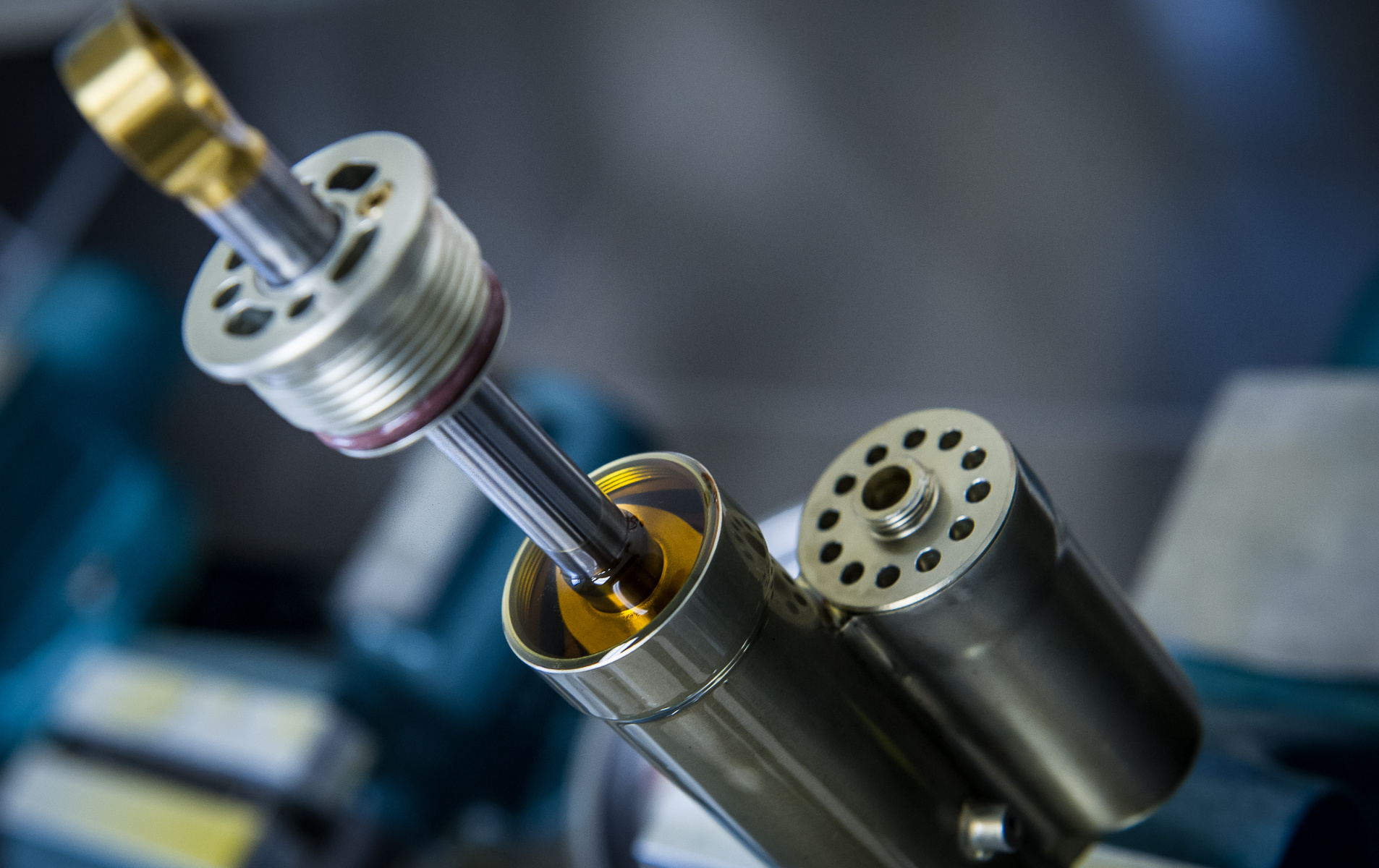
You're ordering shocks and you see the option. Single adjustable or double adjustable.
So which one do you actually need?
A lot of racers assume double adjustable must be better because it has more knobs. More adjustment sounds like more performance. But that's not really how it works. Plenty of very fast cars run single adjustable shocks because that's exactly what their program calls for.
It comes down to what you're trying to accomplish. Sometimes you're making the car overall stiffer or softer as conditions change. Other times you're trying to fix a specific handling problem where what helps one thing hurts another.
It also depends on how you race. Some racers run the same type of track every week. Others jump between completely different surfaces. Some are chasing a specific handling issue where one adjustment won't cut it.
Those answers matter a lot more than just picking the shock with more adjustment.
Both single adjustable and double adjustable Penske shocks win races. Both have been proven at every level of motorsports. It just comes down to picking what actually matches what you're doing so you're not paying for adjustments you don't need or wishing you had adjustments you can't make.
The easiest way to decide is to look at real racing situations and see which one sounds like yours.
Your Racing Situation: Which Shock Fits
Situation: You race wildly different track types
If you're running completely different surfaces during the season, that's where double adjustable starts to make sense.
A smooth paved track might need more rebound to keep the car settled under load and less compression because you're not hitting big bumps. Go to a rough dirt track and now you need softer compression so the suspension can move and keep the tire planted, but still enough rebound so the car doesn't feel lazy after the bump.
That's two different problems. One adjuster moves both compression and rebound together. You end up compromising one track to fix the other.
That's a situation where you'd prefer double adjustable. Penske's 8300 is designed for exactly this kind of independent control.
Situation: Car harsh over bumps but loose in corners
This is the most common reason racers move to double adjustable.
Hit a bump and the car feels stiff. That's too much compression. Then you enter the corner and the car feels slow to take a set or unstable mid-corner. That's not enough rebound.
You need softer compression for bumps and more rebound for control. Single adjustable can't separate those. Every change fixes one and hurts the other.
That's a double adjustable problem. Penske's 8300 gives you independent compression and rebound adjustment to solve it.
Situation: Road racing with different demands in one lap
Road courses constantly ask the shock to do different jobs.
You hit curbing and you want softer compression so the tire stays planted instead of skipping. Then you go into a fast corner and you need rebound to control weight transfer and keep the car stable.
Compression problem. Rebound problem. Single adjustable ties them together. Double lets you treat them separately.
That's why serious road race programs run double adjustable shocks. Penske's 8300 fits that type of racing.
Situation: You know exactly what needs fixing
Sometimes you already have the answer.
You dyno the shock. Rebound is too soft. Compression is already right. Or data shows the car takes too long to settle after transitions but bump behavior looks good.
You don't want to ruin what's working just to fix one issue. Single adjustable forces that tradeoff. Double adjustable lets you change one without touching the other.
That's where double adjustable makes sense. Penske's 8300 is built for that level of tuning.
Situation: You race the same type of track every week
This is where single adjustable shines.
Weekly dirt racing. Similar asphalt tracks. Conditions change, but the surface type doesn't. When the track slicks off you usually want more overall control. When it gets heavy you usually want to free the car up. Both compression and rebound move the same direction.
That's exactly what single adjustable is built for. For late model applications, Penske's 7300 gives you that simple, predictable adjustment range.
Drivers like Chris Madden, Hudson O’Neal, and Scott Bloomquist have run 7300 series shocks for exactly this reason.
Situation: Your shocks are already built around your car
When Penske builds shocks, the process starts with your weight, chassis, and racing type. You're not starting from zero.
That means the base valving is already close. The adjuster is there to fine tune for track grip, temperature, and setup changes. Most racers live inside that adjustment window.
If you're not trying to solve conflicting problems and just need a reliable adjustment range, that's a single adjustable situation. The 7300 covers late model and dirt track.
Situation: Your adjustments always move the same direction
Some racing just doesn't need separate control. Simple will do just fine.
Car feels harsh. Take damping out. Car feels lazy. Add damping.
You're not splitting compression and rebound. You're moving the whole balance. That's exactly where single adjustable makes sense.
Compression vs. Rebound: What You're Actually Adjusting
Before deciding, understand what you're actually changing when you turn those knobs. At the simplest level, you're controlling how fast the shock moves when the suspension compresses and when it extends back out.
Compression Damping
Compression controls how the shock reacts when it gets pushed in. That happens when you hit a bump, load the car on corner entry, land off curbing, or transfer weight under braking. More compression damping makes the shock resist that movement more. Less compression lets the suspension move easier.
Too much compression and the car feels harsh over bumps and can lose grip because the tire can't stay planted. Too little and the car can feel soft or blow through travel when you load it.
Compression controls behavior when weight loads the suspension.
Rebound Damping
Rebound controls how fast the shock extends back out after being compressed. This affects how the car settles after bumps, how weight transfers through corners, and how stable the chassis feels during transitions. More rebound slows that extension and keeps the car more controlled. Less rebound lets the car free up and move faster.
Too much rebound can make the car feel stuck or slow to recover. It also works the tire harder, which shows up as higher tire temps. Too little rebound can make the car feel loose or unstable.
Rebound controls behavior when weight unloads.
Single Adjustable Shocks: 7300 and 7500 Series
With a single adjustable shock, one knob typically changes both compression and rebound together. Turn it one direction and both get stiffer. Turn it the other and both get softer. Some single adjustables can be configured for compression-only or rebound-only adjustment using a one-way adjustable jet, but the default setup affects overall damping.
This works when your adjustments are about overall balance. When the track gets slick, you want more control. When it gets heavy, you want to free the car up.
The Penske 7300 uses a larger nitrogen reservoir and a more balanced base valve design, which gives it more compliance over bumps. That makes it common in late model and dirt track applications, though it also runs in sports car builds. The 7500 Series covers the same single adjustable logic and runs across both dirt and road racing.
Double Adjustable Shocks: 8300
Double adjustable shocks give you two separate controls. One for compression. One for rebound. That means you can soften compression to help the car deal with bumps without losing rebound control. Or you can add rebound for stability without making the car harsher over impacts.
This is what allows racers to solve specific problems instead of making tradeoffs. The Penske 8300 is designed for that independent control when your setup needs it, across both standard body and coilover configurations.
Simple way to think about it
If your adjustments involve making the whole car stiffer or softer, single adjustable makes sense. The 7300 is solid for late model and dirt.
If you're trying to fix one behavior without affecting another, that's where double adjustable fits. That's the 8300.

How To Choose Between Single and Double Adjustable Racing Shocks
Single adjustable and double adjustable shocks both exist because racers face different tuning situations. One isn't an upgrade over the other. They're different tools for different jobs. Before you decide, check your series rules. A lot of series, especially dirt or local race tracks, have limits on how many external adjustments you're allowed to run.
Look at your racing situation
If you run similar track types and your adjustments involve making the car more controlled or freer as conditions change, single adjustable does that. One knob changes overall damping balance predictably. That's what a lot of programs need.
If you run very different conditions or you're solving specific handling problems, double adjustable gives you more control. Adjusting compression and rebound separately lets you fix one issue without affecting the other.
Here's a simple framework:
Consistent track types: Single adjustable Very different conditions: Double adjustable Overall balance changes: Single adjustable Specific handling problems: Double adjustable Compression and rebound move together: Single adjustable Compression and rebound need separate control: Double adjustable
Think about how you tune
Some racers want simplicity and repeatability. Build a strong baseline, make consistent changes as conditions shift. Single adjustable supports that approach.
Others want precision. Isolate specific behaviors. Test and refine small details to find an edge. Double adjustable fits that style.
Neither is right or wrong. It depends on how you work and what your program demands.
Consider where your program is
If you're building your baseline and learning how adjustments affect your car, single adjustable gives a very clear adjustment path. Already working at a high level with data and engineering support? Double adjustable gives you the tools to make targeted changes.
Running a proven setup and just need range for conditions? Single adjustable covers it. Chasing the last few tenths with specific problems to solve? Double adjustable gets you there.
For more on building a baseline and approaching suspension tuning with a data-driven foundation, Penske's tuning resources are a good place to start.
When in doubt, call Penske
If you're not sure which fits your situation, give us a call when you're ordering. Tell us what you race, what your car weighs, what tracks you run, and what you're trying to accomplish. That lets our team build the shock around what you're actually running. We'll tell you which shock matches what you're doing. It's about matching the right tool to the job.
If you're looking for ongoing setup support, Penske's S3 program gives you access to the engineering team throughout the season, not just at the point of purchase.
Pick what fits
The goal isn't more adjustment. The goal is the right adjustment.
The Penske 7300, 7500, and 8300 all have long winning records across every form of racing. They just provide different types of control for different applications.
Single adjustable when compression and rebound work together. Double adjustable when you need independent control. And within single adjustable, the right platform depends on how your car is set up.
Pick the one that matches your racing, supports how you tune, and gives you the control your program needs. Both work and both win.
Single vs. Double Adjustable: Making The Right Choice
There isn't a universal answer because there isn't a universal racing situation.
Some cars need simple, predictable adjustment. Some need the ability to separate compression and rebound to solve very specific problems. That's why both single adjustable and double adjustable shocks exist in serious racing programs.
The mistake isn't choosing one over the other. The mistake is choosing a shock that doesn't match how you're actually racing.
If your adjustments usually involve moving the whole balance of the car as conditions change, single adjustable gives you a clean and effective way to do that. Penske's 7000 series line of shocks are all single adjustable, with ease of use in mind. If you're working to isolate specific behaviors or fine tune how the car reacts in different situations, double adjustable gives you that extra level of control through the 8300.
Both approaches have won at the highest levels. Both have proven themselves over decades of racing. The difference is what kind of adjustment your car benefits from and what problems you're trying to solve.
What matters most is having a shock that responds predictably when you make a change. Something you can trust when conditions shift and you need the car to react the way you expect. Something that supports how you work instead of adding complexity you don't need.
The Penske 7300, 7500, and 8300 all exist for that reason. Different tools built for different tuning approaches.
Choose the one that fits how you race. Choose the one that fits how you tune. Choose the one that gives you confidence when you turn the knob.
That's what matters.